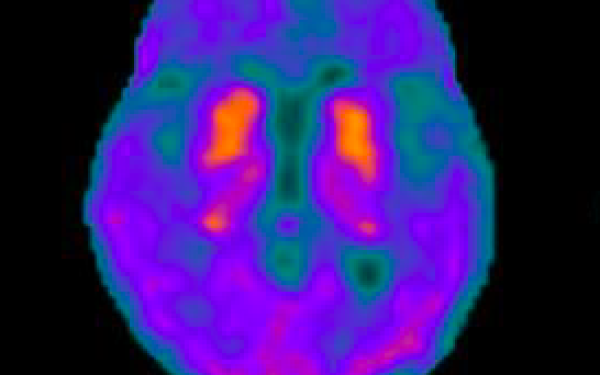
Otago and Southland patients can access PET‑CT imaging closer to home, supporting diagnosis and treatment planning for serious conditions such as cancer.
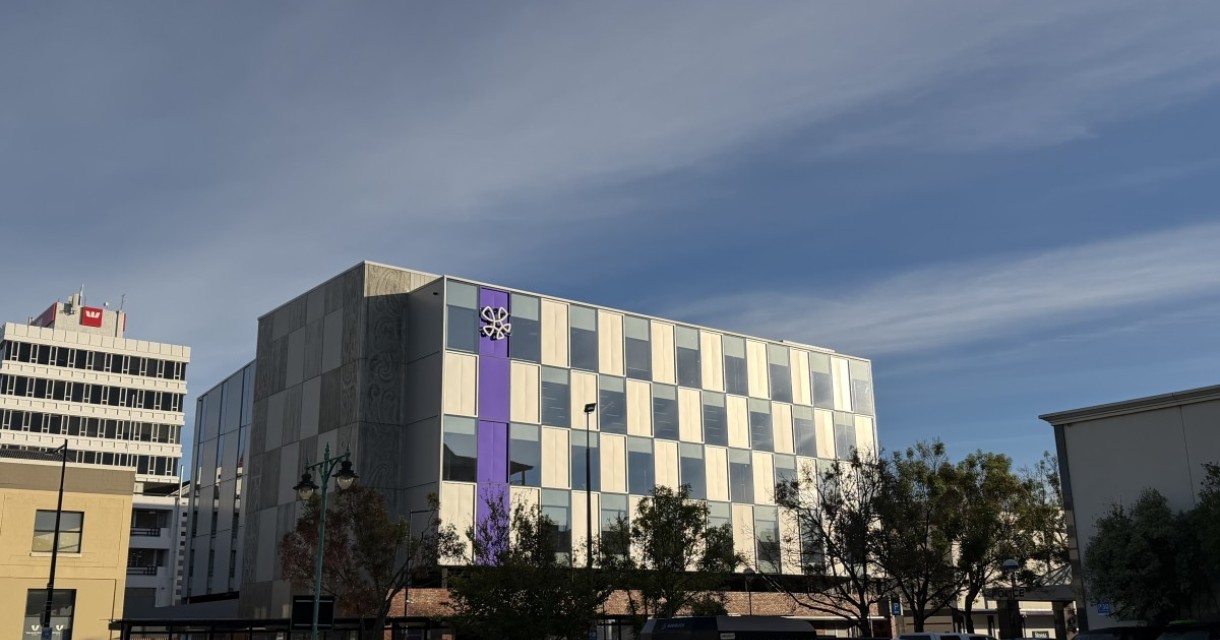
Patients across Otago and Southland can now access advanced diagnostic imaging closer to home, with PET‑CT technology permanently based in the region for the first time at Pacific Radiology’s new Dunedin Central clinic.
Until now, people needing PET‑CT imaging have often had to travel to Christchurch. For patients facing serious health conditions such as cancer, this travel can add stress, time and cost at an already challenging point for patients and their whānau.
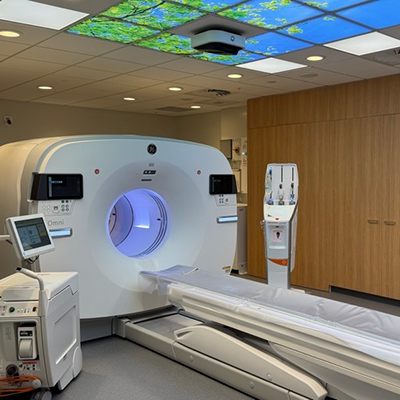
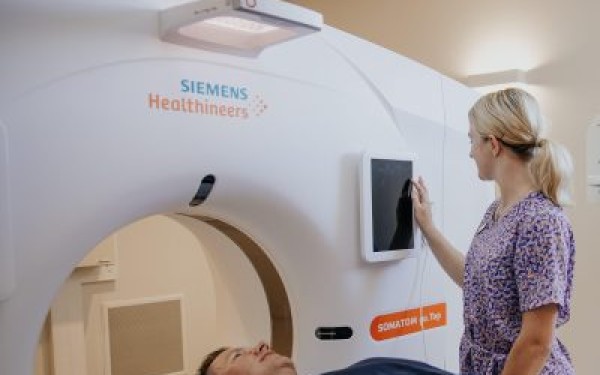
The new PET-CT machine in Dunedin Central
Pacific Radiology is changing that by establishing a permanent PET‑CT service in Dunedin - reducing the need for long‑distance travel and helping patients receive diagnosis and care planning closer to home.
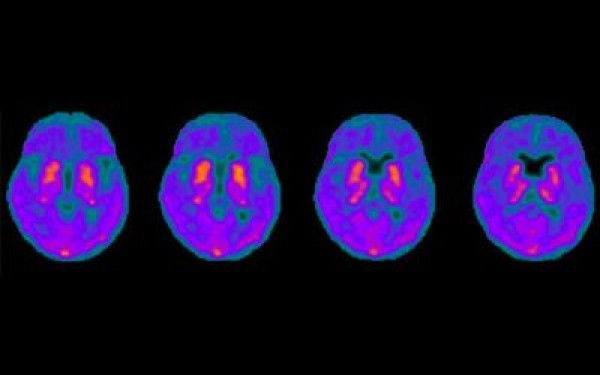
PET‑CT imaging plays a critical role in cancer diagnosis, and having this service available locally means people across Otago and Southland can get answers sooner.
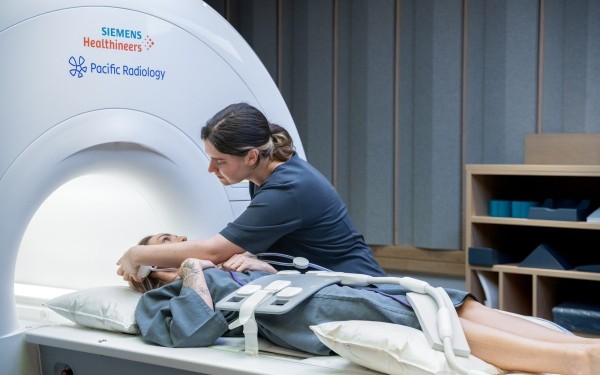
In addition to PET-CT, the Dunedin Central clinic provides a comprehensive range of diagnostic imaging services, including MRI, CT, Breast Imaging, Fluoroscopy, Interventional Procedures, Ultrasound and X‑ray.
The purpose‑built clinic has been designed to improve access, support timely diagnosis and provide a more seamless experience for patients and referrers across the region.
The new clinic also strengthens Pacific Radiology’s partnership with Health New Zealand, supporting delivery of BreastScreen Aotearoa services and improving access to breast screening and follow‑up imaging for women across Otago and Southland.
Pacific Radiology's Regional Managing Radiologist for Otago and Southland, Dr Jacquie Copland, says establishing PET-CT services in Dunedin permanently is a step forward for cancer care.
“PET‑CT imaging plays a critical role in cancer diagnosis and treatment planning, and until now patients in Otago and Southland have often needed to travel long distances to access this level of care,” Dr Copland says.
“Providing these services locally on a permanent basis will make a real difference for patients and their whānau.”
The Mayor of Dunedin, Sophie Barker, says the opening of the clinic represents an important investment in health infrastructure for the city and surrounding areas.
“The opening of this clinic is an important investment in health infrastructure for Dunedin and the wider Otago and Southland region,” Mayor Barker says.
“Improving access to specialised diagnostic services closer to home makes a real difference for patients and their whānau and strengthens Dunedin’s role as a regional centre for healthcare.”
Located in the Mataukareao Building at 30 Great King Street, the clinic has been developed in partnership with the landlord, Hāpai Commercial Property LP and reflects a significant investment by a large-scale collective iwi property fund, including mana whenua, Ōtākou Rūnaka.
Bevan Hames, General Manager for Hāpai Commercial Property LP, says the development reflects a long‑term commitment to supporting health services that meet the needs of the community, as well as sustainability objectives driven by a 5-star green rating.
“We see this as an important long‑term investment in health infrastructure for Dunedin,” says Hames.
“Developments like this are about supporting essential services and creating facilities that deliver lasting value for the community.”
The Dunedin Central clinic is open, providing diagnostic imaging services for patients and referrers across Otago and Southland.
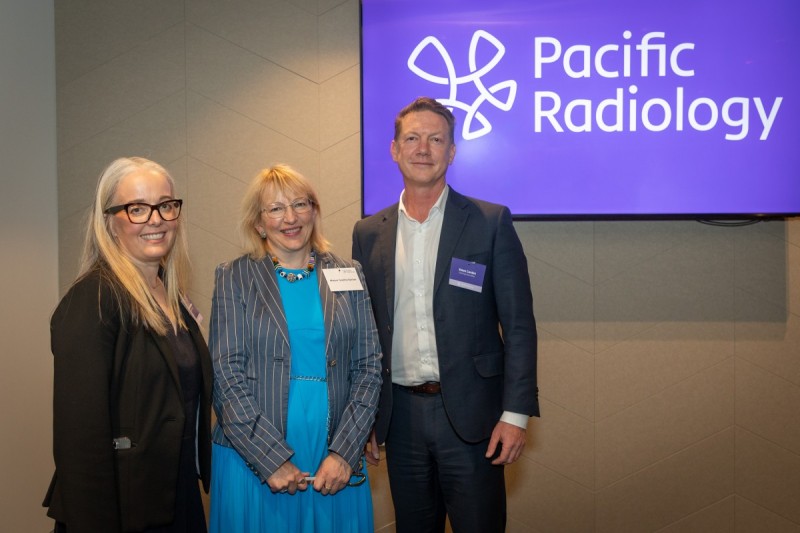
Dr Jacquie Copland, Managing Radiologist; Dunedin Mayor Sophie Barker; CEO of RHCNZ Steve Carden at the official opening event